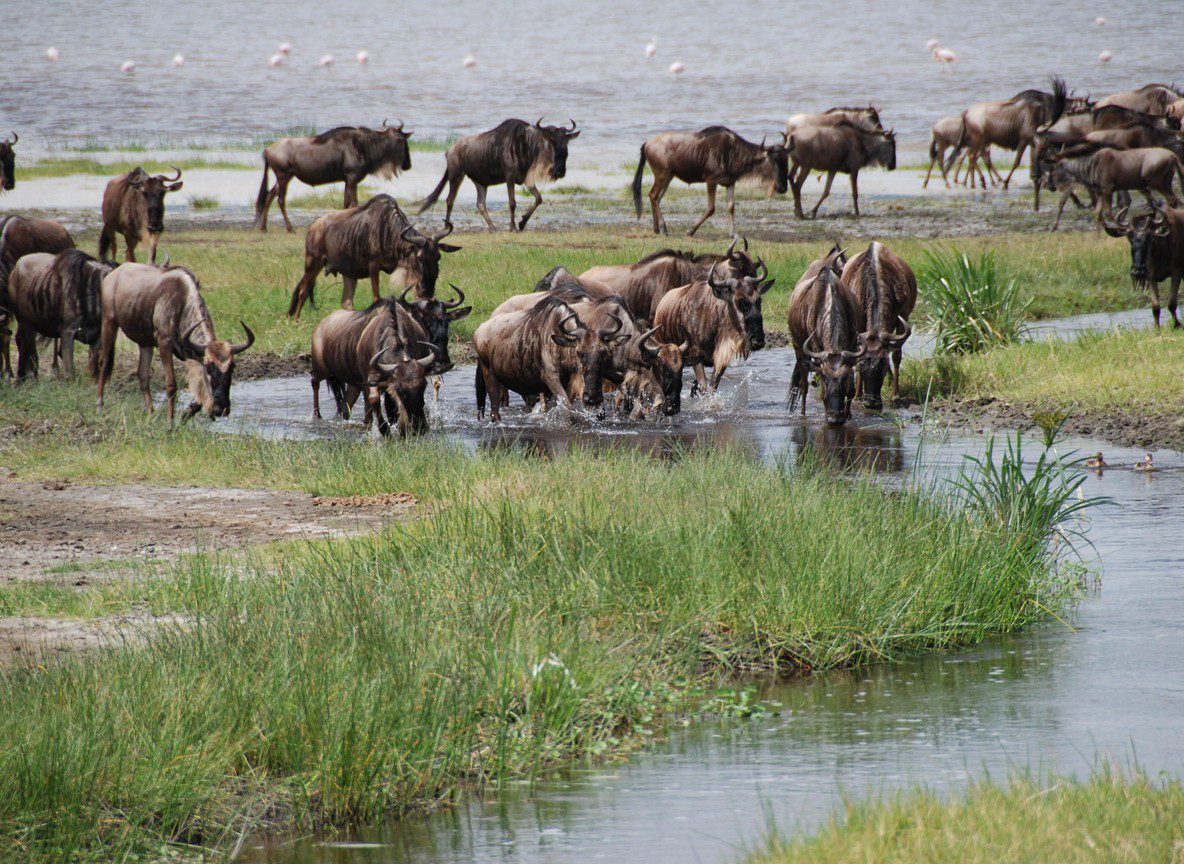
Amboseli has a set of conditions that are specific enough to make a generic safari packing list feel slightly off. The park is semi-arid, sitting at just over 1,100 metres in altitude on the floor of a former lake bed. Afternoons are hot. Early mornings in an open vehicle at that altitude are noticeably cooler than visitors from warmer regions expect. Dust is a constant in the dry season. Rain in the wet months can arrive quickly and change road surfaces fast.
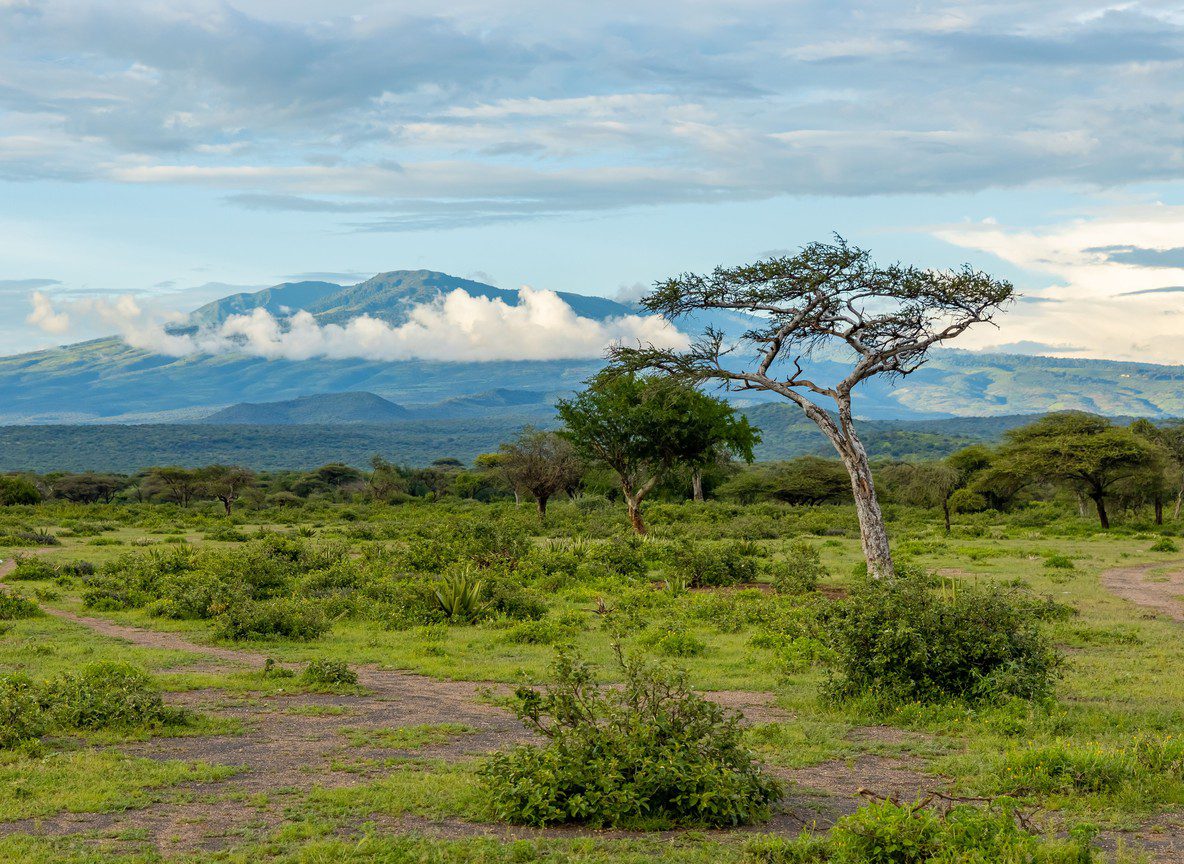
Packing well for Amboseli means preparing for all four of those conditions, not just the obvious one.
The Core List: What Every Amboseli Visitor Needs
Before getting into season-specific adjustments, this is the practical baseline:
Clothing:
- 2 to 3 lightweight long-sleeved shirts
- 2 to 3 pairs of safari trousers or practical travel pants
- 2 to 3 short-sleeved shirts
- 1 warm fleece or mid-weight jacket
- 1 light windproof or waterproof outer layer
- Socks and underlayers for the full stay
- 1 pair of comfortable closed shoes for game drives
- 1 casual camp shoe or sandal
Sun, dust, and dry-air items:
- Wide-brim hat or sun hat
- Sunglasses
- High-SPF sunscreen
- Lip balm
- Moisturiser
- Buff or light scarf for dusty drives
Health and personal care:
- Insect repellent
- Any prescription medication
- Pain relief tablets
- Antihistamines if dust is an issue for you
- Rehydration salts or stomach support basics
- Hand sanitiser and wipes
Wildlife and photography:
- Binoculars
- Camera with zoom capability or telephoto lens
- Spare batteries
- Spare memory cards
- Power bank
- Lens cloth for dust
Documents and money:
- Passport and Kenya entry documents
- Travel insurance details
- Payment card and local cash
- Lodge or operator confirmation copies
Daypack (for game drives):
- Water bottle
- Sunscreen
- Hat
- Camera or phone
- Binoculars
- Jacket
- Wipes
- Document copies if needed
Clothing: Colours and Fabric Matter
Neutral colours, specifically beige, khaki, olive, and grey, are the practical choice for Amboseli game drives. They blend with the environment, show dust less dramatically than white, and do not attract the attention that bright colours can in open vehicles around wildlife.
Natural fibres and technical fabrics that breathe are significantly more comfortable than synthetics on long game drives in warm conditions. Cotton and linen blends work well for daytime wear. Merino wool is excellent for the morning layer.
The layering principle applies throughout the trip. An Amboseli day might start at 15 degrees Celsius on an open vehicle at 6:00 AM and reach 30 degrees by midday. A traveller who packed only for the afternoon high will feel the gap at dawn.
The Morning Layer Question
The single most underestimated packing item for Amboseli is a proper warm layer for early drives. This surprises visitors expecting heat, but open vehicle game drives in the pre-dawn and first-light hours in any month can be genuinely cold. In June through September, the drier and slightly cooler months, temperatures at dawn are consistently in the range where a fleece becomes necessary rather than optional.
Pack one fleece or warm mid-layer that can be compressed into a daypack once the day warms. Do not rely on the lodge to supply this or assume you will not need it.
Footwear: Keep It Simple
Standard Amboseli safaris do not require technical boots. Game drives are vehicle-based and most camp movement involves short walks on prepared surfaces.
What works:
- One pair of comfortable, well-worn closed shoes for travel and game drives
- One casual shoe, sandal, or flip-flop for camp use
If your trip includes a guided conservancy walk or any more active element, a proper walking shoe with ankle support is worth adding. For standard park game drives, comfort and fit are more important than any technical specification.
Camera and Wildlife Photography Gear
Amboseli is one of the most photographically rewarding parks in East Africa, and preparation for it specifically rewards visitors who have thought about what they want to capture.
The practical photography kit:
- Telephoto lens of at least 300mm for distant elephant shots and super tusker portraits
- Wide-angle option (24-35mm) for Kilimanjaro and herd landscape compositions
- Multiple spare batteries (morning cold can drain batteries faster than expected)
- Multiple spare memory cards (dust can affect card contacts over time)
- Power bank for camera charging in vehicles without power points
- Lens cloth, lens brush, and sensor cleaning supplies for dust
The Kilimanjaro-elephant composition that defines Amboseli photography typically requires being positioned south of a herd in the first two hours after sunrise. Kilimanjaro is usually cloud-free in that window from December through February. Heat shimmer becomes an issue for telephoto work by mid-morning, particularly in the hottest months. That timing context helps you understand when to invest your best shooting time.
Amboseli’s dust can be protective equipment for your camera. A simple cover or bag for the camera body during dusty drives prevents fine particles from reaching sensor and lens mount contacts.
Dry-Season Packing Adjustments
If your trip falls in June through October or January through February, add:
- Extra lip balm (dry air and sun crack lips faster in these months)
- Additional lens cleaning materials
- A lightweight dust cover for camera equipment
- An extra buff or neck gaiter for particularly dusty drives
- Slightly more sun protection overall
Dry-season Amboseli rewards early starts. The best wildlife activity and the Kilimanjaro visibility window both happen in the first two hours of daylight. Packing a dawn-ready daypack the night before rather than fumbling in the dark at 5:30 AM is a practical habit worth adopting.
Rainy-Season Packing Adjustments
For trips in March through May (long rains) or November through December (short rains), add:
- Lightweight rain jacket or packable poncho
- Waterproof bag cover or dry bag for electronics
- Quick-dry clothing, particularly for trousers and mid-layers
- Zip-lock bags for phones, passports, and electronics
- A backup pair of shoes or sandals in case primary footwear gets wet
The point is not to prepare for constant rain. Amboseli’s rainfall patterns are relatively short-duration. The preparation is for a 45-minute downpour that catches you in an open vehicle and soaks everything that is not protected.
Packing for Fly-In Safaris
If your trip uses a light aircraft from Wilson Airport in Nairobi, luggage constraints become a meaningful factor. Most charter flights serving Amboseli operate with:
- Soft-sided bag requirement (no hard suitcases)
- Weight limits typically in the range of 15 to 20 kg per person including hand luggage
- Strict enforcement, particularly on smaller aircraft
Packing for a fly-in trip means editing down to what you genuinely need rather than what feels like a reasonable amount to bring. Test the weight before departure rather than at the Wilson Airport check-in desk.
For photographers, this often means choosing between bringing a full lens kit and staying within the weight limit. A single telephoto with a quality wide-angle and the camera body usually wins over carrying every option. What you can actually use in a vehicle is more limited than the lens options you pack.
Soft duffel bags rather than backpacks are the most practical format for fly-in trips. They compress into aircraft holds more efficiently and are easier to load into safari vehicle compartments.
Family Packing Notes
For families with children, the adjustment is not packing more of everything. It is packing faster, more accessible versions of the essentials.
What helps:
- Easy-access spare layers for children that do not require unpacking a full bag
- Extra socks and underlayers (children’s clothes get dirty faster in dusty conditions)
- Wipes in the daypack for post-drive clean-up
- Simple snacks if the itinerary involves long transfers
- Children’s sunscreen separate from adult sunscreen for easier access
Families on road safaris have more luggage flexibility than fly-in trips, which is one reason road access suits most family Amboseli trips better than flying. Use that flexibility practically rather than over-packing.
What Not to Pack
A few items that add weight and serve no purpose in Amboseli:
- Bright white or light-coloured outfits (impractical in dust)
- Heavy formalwear of any kind
- More than two pairs of shoes
- Multiple cameras or lens systems beyond what you will genuinely use in a game drive vehicle
- Large rigid suitcases on fly-in trips
The cleanest Amboseli packing is compact, functional, and built around the specific conditions of the park rather than a general travel wardrobe.
The Five-Condition Test
Before closing your bag, run through five conditions and confirm your kit addresses each:
- Heat (afternoons, mid-season) – breathable clothing, sun protection, water
- Cool dawns (any month, especially dry season) – warm layer, jacket, closed shoes
- Dust (dry season particularly) – lens protection, buff, neutral clothing that shows dust gracefully
- Rain (wet-season trips) – waterproof jacket, electronics protection, quick-dry layers
- Photography – telephoto capability, spare batteries and cards, dust covers
If your bag solves those five things, you are well prepared for the park.
Explorer Notes: Small Details That Make a Difference
- Charge all batteries the night before the first game drive. Dawn starts mean no charging time in the morning.
- Keep sunscreen in the daypack rather than the main bag. You will need it more often than you think and should not be searching for it at 9:00 AM in a moving vehicle.
- A microfibre towel is useful in camps with limited towel supply at the budget end. Luxury properties provide everything.
- Bring a headlamp or torch for pre-dawn wake-up calls and camp navigation at night. Phone torches are not as reliable.
- Binoculars are worth bringing even if you consider yourself primarily a photographer. Some of the best elephant behaviour happens at distances where a camera cannot resolve what is happening but binoculars can.
Conclusion
Amboseli packing is not complicated once you have the park’s specific conditions in mind. The heat is manageable. The cool mornings catch people off-guard more often than the heat does. Dust is the constant. Rain is occasional but fast. Photography rewards preparation more than most other aspects of the trip.
Pack for the actual conditions rather than a generalised safari fantasy, and most Amboseli trips run without a single meaningful packing regret.
What to Read Next
- Amboseli safari from Nairobi guide – road vs fly-in access and what to know about luggage on light aircraft
- Amboseli national park 2026 – seasonal detail, wildlife, and what to prioritise in each month
- Amboseli safari cost guide – full budget breakdown to help you plan the rest of the trip
- Amboseli road conditions guide – what the drive actually looks like and how to prepare
Turn this reading into a real itinerary with help from a Kenya-based safari team.
Start Planning Your Safari